
Pea Protein Isolate: COA Traceability Record
A practical buyer guide to coa traceability record for Pea Protein Isolate, covering identity, documents, samples, packaging, receiving and traceable decisions.
Technical articles, sourcing guidance and application insights for food, feed and animal-nutrition ingredients.
A practical buyer guide to coa traceability record for Pea Protein Isolate, covering identity, documents, samples, packaging, receiving and traceable decisions.
A buyer-side control record should connect the commercial request, the agreed material description, the current document revision and the person responsible for the next action. Record what the supplier document actually says, keep the original unit and basis, and leave absent information visibly op
Use a buyer-controlled file that keeps an order reference, delivery or sample reference, material description, document issue date and internal owner together. Record the source of every entry and leave missing information visibly open. Compare facts
Build a pea protein lot comparison record linking specifications, batch documents, sample identities, evaluation conditions and open purchasing questions.
A buyer-side record for checking a pea protein specification version before aligning a sample, quotation and purchase-order file.

Avoid DHA purchasing errors by distinguishing percent of total fatty acids from grams of DHA per 100 grams of crude algal oil.
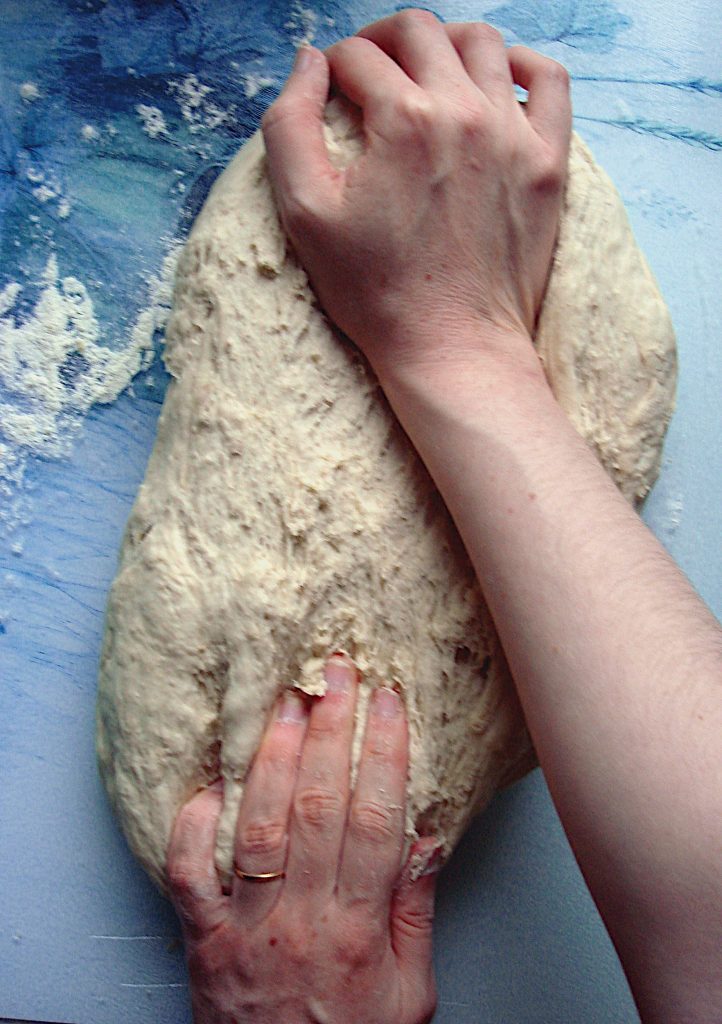
A practical vital wheat gluten qualification guide for bakeries: evaluate dough strength, mixing tolerance, absorption, allergens and batch consistency.

A practical batch-traceability workflow for crude DHA algal oil used in aquafeed: receiving records, identification and formulation batch links.
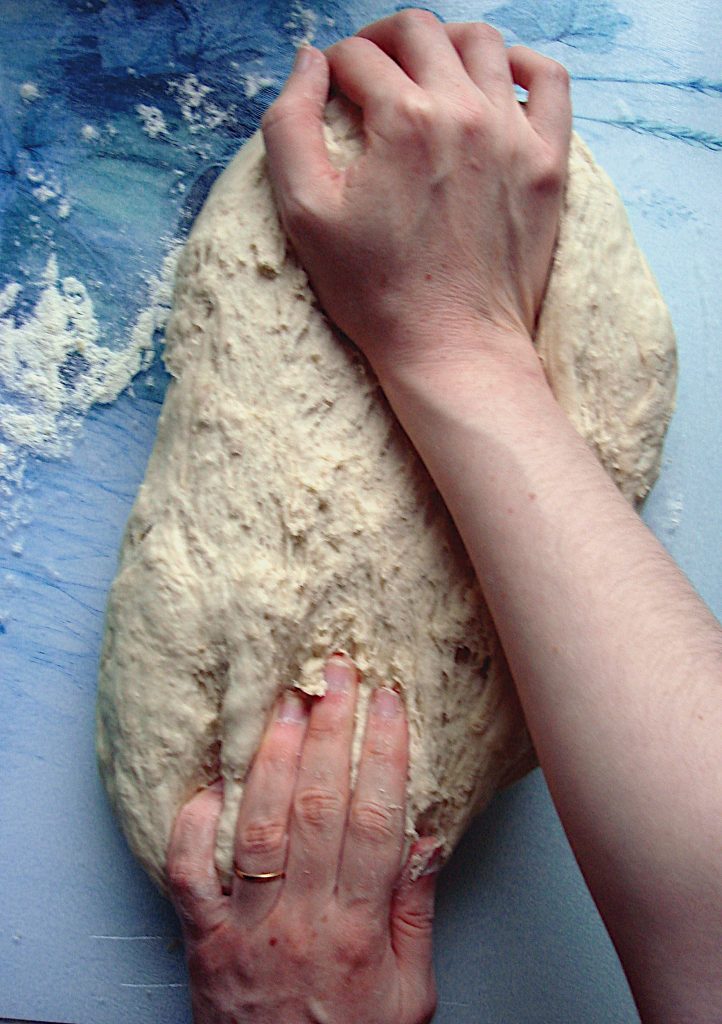
Evaluate vital wheat gluten in noodle production with controlled mixing, hydration and cooking tests instead of relying on protein content alone.
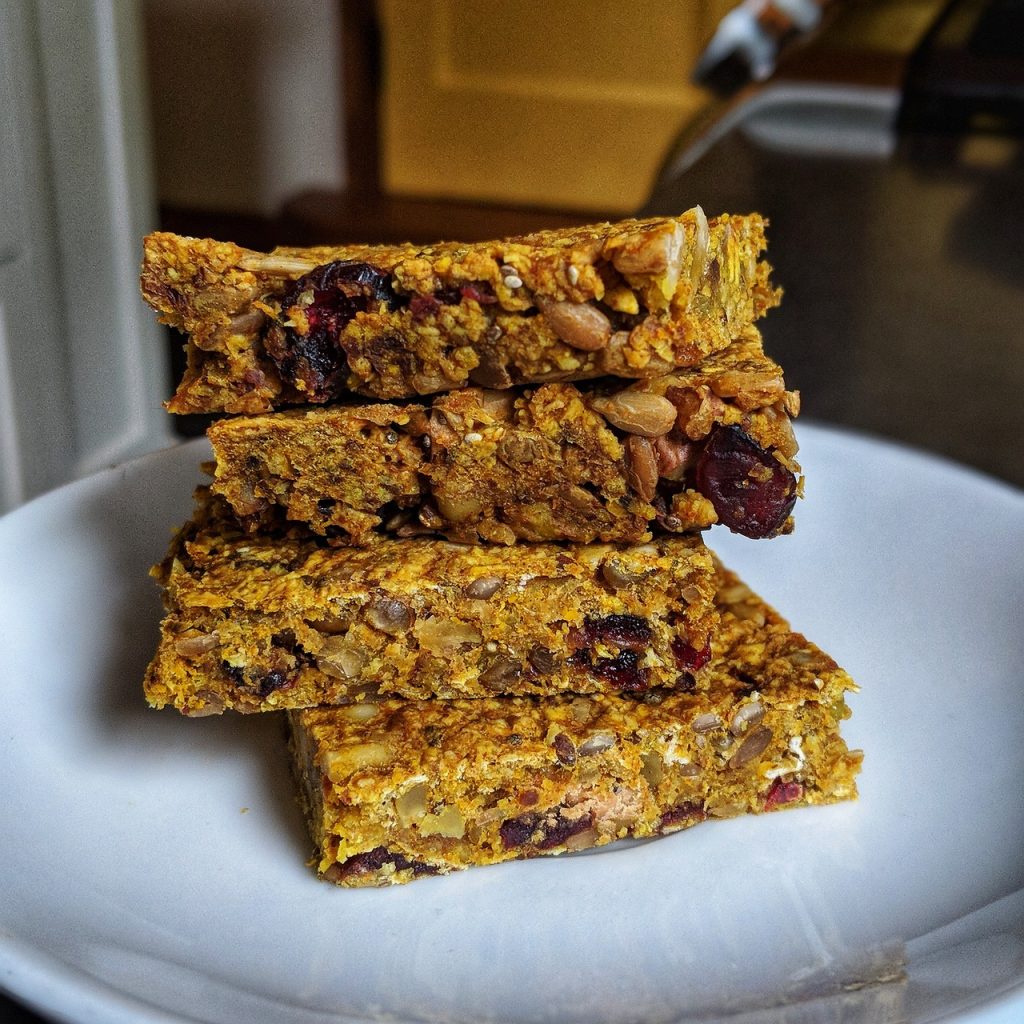
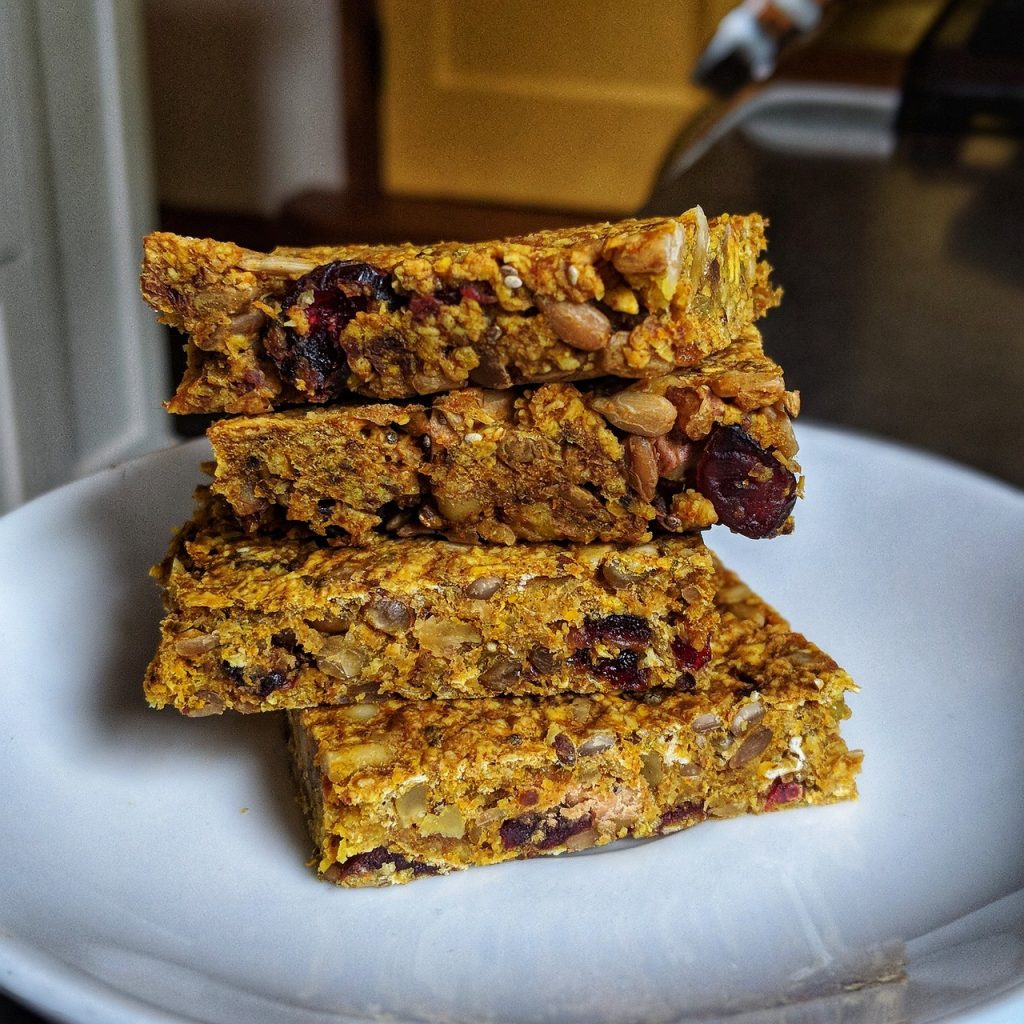
How to compare pea protein isolate for protein bars: screen hardness, moisture, storage and batch documents before choosing a commercial grade.