
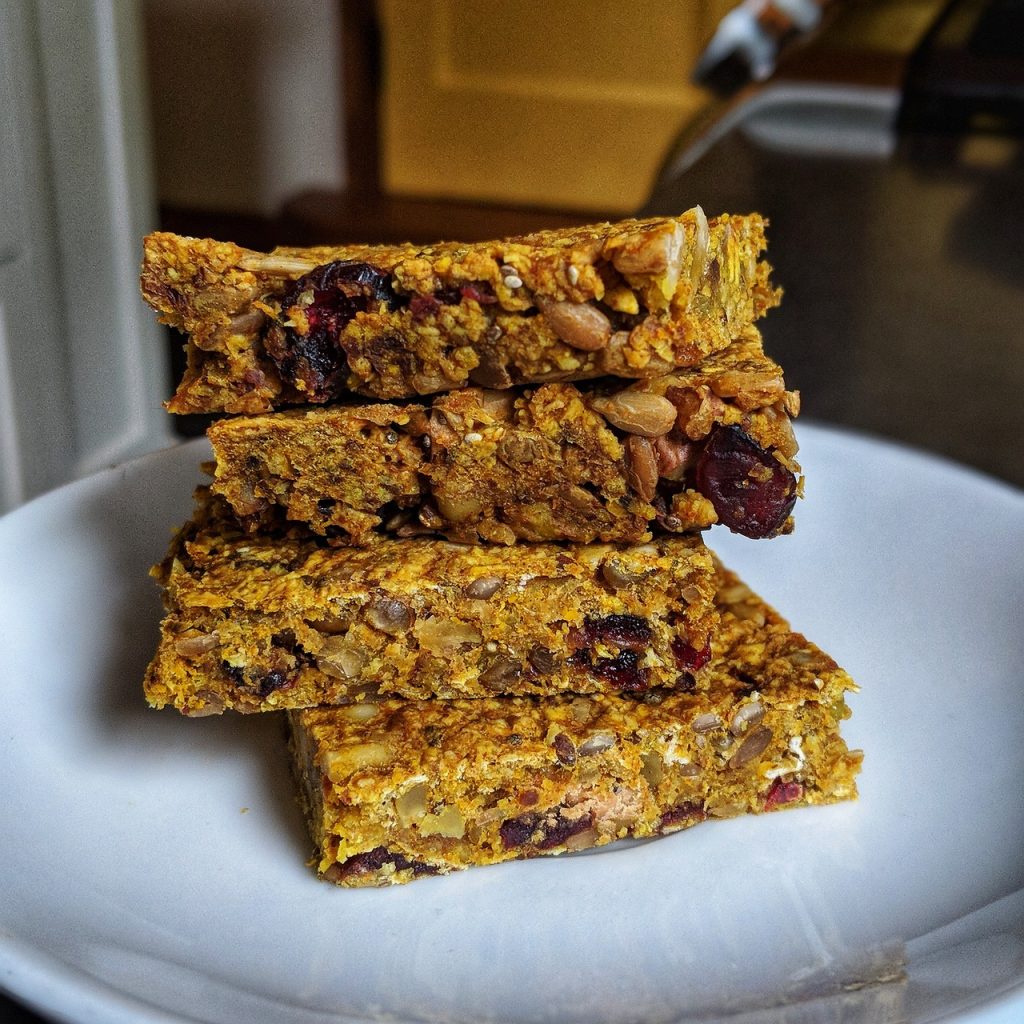
Start with the finished bar, not only the protein percentage
When developing a nutrition bar, the protein percentage printed on a raw-material specification is a useful starting point, but it does not tell you how the finished bar will feel after several weeks in its intended package. A pea protein isolate that works in a beverage or a plant-based burger may behave differently in a high-solids bar. Ask the product development team to define acceptable bite, chewiness, sweetness, flavor and appearance both immediately after manufacture and at the end of the target shelf-life period.
Design a comparable bench trial
Prepare a reference bar and two or three candidate versions. Keep the total protein contribution, binding system, fat, sweetener, water addition and process as comparable as feasible; otherwise a change in firmness cannot fairly be assigned to the protein. Record the lot number of each isolate, the recipe, mixing order, mixing temperature, forming pressure, bar dimensions and initial texture. Assess the finished bars using a repeatable instrumental texture method where available, supplemented by a defined sensory panel.
Track storage rather than relying on day-one texture
Retain bars in their intended commercial packaging at the expected distribution and storage temperatures. Predefine sampling checkpoints that reflect your intended product life and realistic logistics. At each checkpoint, record hardness or puncture force, water activity, appearance, flavor and the presence of cracking, oil separation or drying. If you use an accelerated condition, document its limits; a high-temperature stress test does not automatically predict a calendar shelf life. Repeat the comparison with more than one ingredient lot before making a recurring purchasing decision.
Use the research as a question, not a product guarantee
A 2025 Journal of Food Science study found that bar hardening in particular experimental pea-protein formulations was associated with mechanisms including moisture changes, protein aggregation and oxidation. These observations support measuring more than a single day-one texture value. They do not establish that a named commercial isolate will harden by a particular amount, that a certain grade will prevent hardening, or that any recipe has a guaranteed shelf life. Your own recipe, equipment and packaging determine the evaluation.
Ask for a grade-specific supplier documentation pack
Request the current TDS, representative batch COA, the analytical basis for the declared protein content, moisture and microbiological criteria, particle-size information, allergen statement, storage and packing recommendations, and sample availability. If a conventional or organic variant is requested, verify the actual grade and the scope and validity of any accompanying certificates before mentioning certification in finished-product marketing. Ask whether application support is backed by documented trials for a comparable bar matrix.
Turn test results into a workable purchasing decision
Compare the cost of acceptable finished product, not just the raw-material quotation. A slightly different formulation requirement, rework rate or shelf-life failure can outweigh a small difference in ingredient price. Define the accepted lot-to-lot range and the tests that will be repeated when a new shipment arrives. Confirm local ingredient, labeling and finished-food obligations with the regulatory team for the destination country.
Request a specification and a sample
Planning a new protein bar? Tell Winstar Ingredients your target protein content, recipe constraints, anticipated volume, destination market and sample requirements. Request the grade-specific pea protein isolate specification and a suitable evaluation sample.
Contact Winstar Ingredients
For specifications, COA, samples or a quotation, tell us your product, application, quantity and destination.