
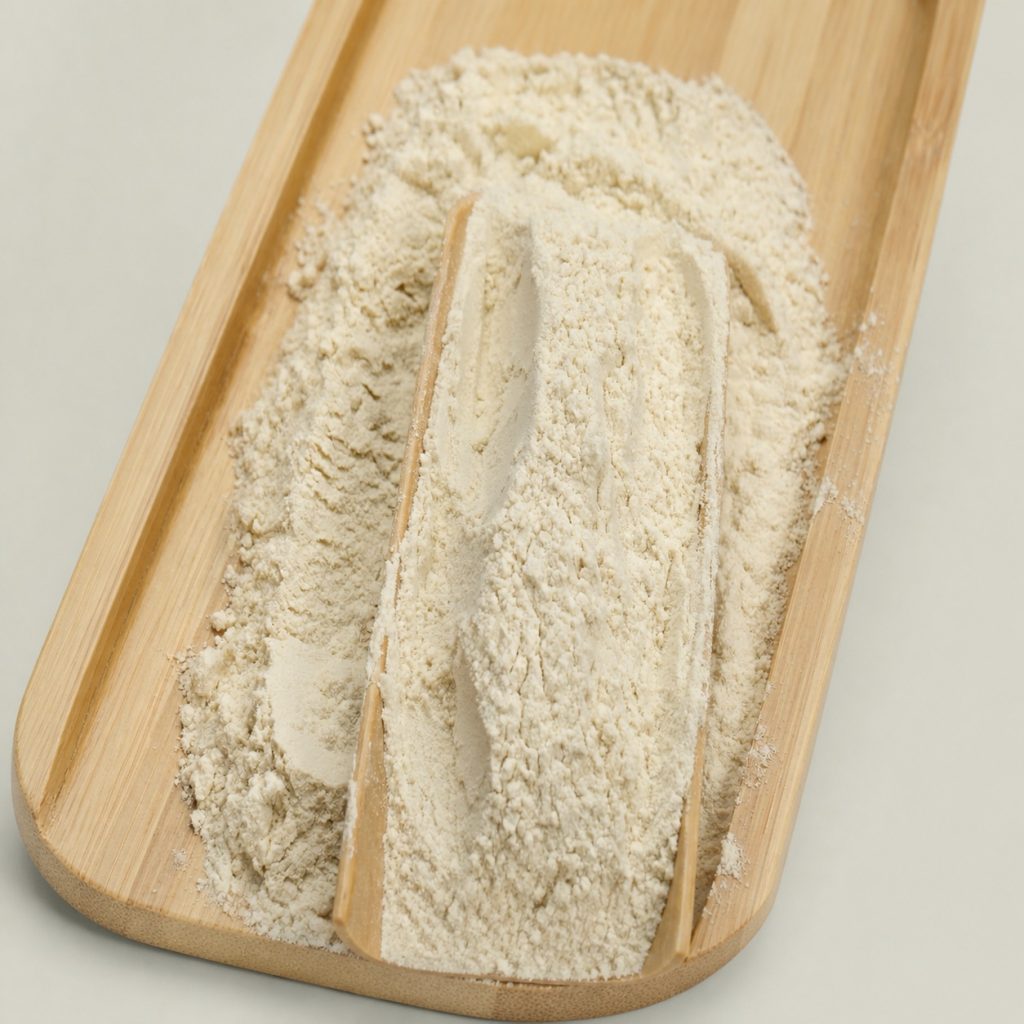
Use non-gmo statement scope review to connect the proposed Vital Wheat Gluten with exact grade and form, wheat and gluten identity documents, statement title and revision, facility or line scope, lot linkage, packaging and destination questions. Use each document, sample and observation as evidence for the named purchasing file, not as a general statement about other lots or uses.
Frame the buyer question
State the commercial decision and the exact Vital Wheat Gluten grade or form under review. Record the destination, order reference, current specification request and file owner. Keep the scope limited to exact grade and form, wheat and gluten identity documents, statement title and revision, facility or line scope, lot linkage, packaging and destination questions; information outside that boundary belongs in a separate background note.
Set three evidence states: received, clarification needed and not supplied. Add source, date, revision and applicable lot beside every entry. This keeps an older statement, unrelated sample or similarly named grade outside the current decision record.
Build a controlled source map
Create an index for the request, quotation, specification, statement, batch record, label image, sample log, packaging note and correspondence. Give each item an identifier and preserve replaced versions with a link to the current file.
Technical values must remain questions until the current source states the basis, method, units and applicable lot. Do not complete a table with typical market information. A visible gap is more useful than an unsupported number.
Run the comparison
Read horizontally across identity, grade, document title, revision, lot, sample code, package marking and destination. Matching fields should point to the same controlled record. Highlight different wording without normalizing it from memory.
Then read vertically through the document history. Note what changed, who supplied the revision and which purchasing question it affects. A changed date or scope is not automatically a defect, but it requires a recorded explanation and owner.
Capture trial and package evidence
For a trial or sample, record the code, source lot, receipt or preparation date, custody, storage location and the exact comparison plan. Observations belong to this controlled exercise and should not be turned into sensory, shelf-life, nutrition or performance claims.
Record package type, closure, label position, lot marking, shipment reference and visible condition at receipt. Attach every note or image to the correct unit and time. Separate factual observations from the buyer’s internal disposition.
Resolve scope gaps
Maintain an issue log for missing sources, inconsistent identifiers, unclear scope or unlinked samples. Give each item a responsible person, requested evidence and return date. Preserve the original question when a response arrives.
Destination-market review must identify the local file, reviewer and evidence requested. A document can support the buyer’s file only within its written scope; it must not be presented as a broader market or product conclusion.
Prepare the purchasing handoff
Close with a short handoff listing sources reviewed, versions used, lots and samples linked, open questions and the next purchasing action. Keep superseded documents so the sequence remains understandable.
Ask a second reviewer to reconstruct the decision from the index. If the person cannot connect the request, source, lot, sample, package and handoff, reopen the link. The archive should be reusable without turning a previous transaction into current evidence.
Controlled links
Continue with the controlled product record at https://www.winstaringredients.com/products/vital-wheat-gluten/, send purchasing questions through https://www.winstaringredients.com/contact-us/, and review the document reference at https://www.winstaringredients.com/quality-compliance/.
Contact Winstar Ingredients
For specifications, COA, samples or a quotation, tell us your product, application, quantity and destination.