
PLANT PROTEINS
Barley Malt Peptide
High-protein barley-derived peptide ingredients for beverages, nutrition powders, bakery and savory foods. Select by flavor, acidity, thermal process and finished-product format.
Four types for distinct formulation jobs
Malt-flavor, acid-tolerant, umami and plant-protein blend. Source data lists 70% peptide, 70-75% protein and 500-900 Da average molecular weight, subject to type-specific specification and test-method confirmation.
PRODUCT OVERVIEW
A barley-based peptide ingredient for practical formulation needs
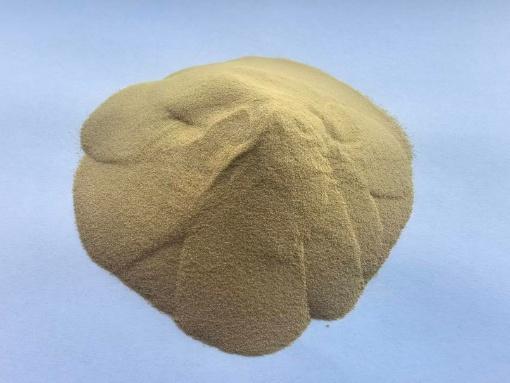
Barley Malt Peptide is produced from barley malt through enzymatic hydrolysis, separation, filtration, concentration and drying. The product range is described as a yellow powder, with flavor and processing characteristics varying by type.
Why formulators evaluate it: the range combines a high protein and peptide profile with four sensory or processing options. The source material also reports water solubility, foaming and emulsification reference data. These values support sample screening, but the current test methods and actual finished-formula performance must be confirmed.
The source lists agglomerated granules or an adjustable 30-100 mesh powder. Select the physical form according to hydration, dry blending, dust control and packing requirements, then validate it on the intended production line.
- Four types for malt flavor, acidic drinks, savory foods and blended nutrition
- Reference peptide content of 70% across the four listed types
- Average molecular-weight references from 500 to 900 Da by type
- Agglomerated or 30-100 mesh powder formats, subject to confirmation
- Specification, test-method, COA, allergen and sample review before purchase
POTENTIAL APPLICATION AREAS
Match the peptide type to flavor, pH, heat and end use
The four types are not interchangeable. Use the selection guide below as a starting point, then validate dosage, sensory profile, clarity, thermal stability and shelf-life performance in your actual formula.
Malt-Flavor Beverages & Bakery
Evaluate the malt-flavor type in plant or oat drinks, cereal beverages, breakfast mixes, bakery recipes and malt- or barley-tea-style protein concepts. Its barley aroma and low-bitterness profile may help cover selected off-notes.
Acidic & Clear Beverages
The acid-tolerant type is described for pH 3-5 systems such as clear protein water, citric- or fruit-flavored drinks and electrolyte concepts. Verify clarity and stability after the intended pasteurization or UHT process.
Umami Foods & Seasonings
Evaluate the umami type in sauces, soy-sauce formulations, soup bases, snack seasonings, instant-noodle seasoning and selected meat formulations. It may complement yeast extract, subject to sensory, labeling and cost validation.
Blended Nutrition Powders
The plant-protein blend is described as smooth and without obvious bitterness for blended nutrition powders and solid beverage formulations. Request the full ingredient composition, amino-acid profile, allergen statement and evidence before making a PDCAAS claim.
TYPE SELECTION & REFERENCE INFORMATION
Compare the four product types
| Type | Protein* | Peptide* | Average molecular weight* | Primary evaluation |
|---|---|---|---|---|
| Malt-flavor | 70-75% | 70% | 767 Da | Barley aroma, low bitterness and off-note masking |
| Acid-tolerant | 75% +/- 3% | 70% | 767 Da | Clarity at pH 3-5 and stability after the intended heat process |
| Umami | 75% +/- 3% | 70% | 500 Da | Savory depth, malt sweetness and acid/heat processing |
| Plant-protein blend | 75% +/- 3% | 70% | 900 Da | Smooth taste, composition, allergens and amino-acid balance |
*Reference values from the supplied product information, not batch-specific results or agreed acceptance limits. Confirm the analytical basis, test methods, current specification and batch COA for the selected type.
The blend option contains other plant proteins. Do not treat all four types as interchangeable, and do not make complete-protein or PDCAAS claims without reviewing the full formula and supporting evidence.
- Current type-specific specification, acceptance limits and test methods
- Batch COA plus protein, peptide and molecular-weight test basis
- Ingredient composition, cereal/gluten allergen statement and amino-acid profile
- Microbiological limits, storage instructions and destination-market documents
- Sample, target formula, process conditions and commercial requirements review
FUNCTIONAL PERFORMANCE REFERENCE
Use source data to plan the right formulation trial
| Source-reported test | Reference result | What the buyer should verify |
|---|---|---|
| Water solubility | 40 g per 100 mL water | Water temperature, mixing energy, hydration time, clarity and sediment |
| Foaming capacity (FC) | 27.3 +/- 2% | Protein concentration, shear, vessel geometry and finished-product need |
| Foam stability (FS) | 87.96 +/- 0.8% | Holding time, temperature and ingredients that suppress or stabilize foam |
| Emulsifying activity (EAI) | 57.65 m2/g | Oil phase, pH, ionic strength, homogenization and comparison method |
| Emulsion stability (ESI) | 121.3 min | Storage temperature, droplet size, separation and test definition |
These figures are screening references from the supplied product material. The material does not provide complete test-method conditions for direct commercial acceptance. Request the current method and specification, and confirm performance in your own formula before label, process or purchasing decisions.
Recommended trial sequence: pre-hydration and dispersion; pH and clarity; pasteurization or UHT stability where applicable; foaming or emulsion behavior; sensory profile and off-note masking; color and sediment; then pilot-scale storage evaluation.
FORMULATION & SOURCING QUESTIONS
Frequently asked questions about Barley Malt Peptide
Which type is suitable for clear acidic drinks?
The acid-tolerant type is described for pH 3-5 systems. Confirm clarity, sediment and protein stability at your target pH and after the actual heat process.
Is Barley Malt Peptide the same as barley protein?
No. This range is described as an enzymatically hydrolyzed barley-malt peptide ingredient. Review protein, peptide content, molecular-weight method and sensory profile rather than treating it as an unhydrolyzed barley protein.
Can the umami type replace yeast extract?
It may be evaluated as a complement or partial replacement in selected savory formulas. Run sensory, sodium, labeling, process and cost comparisons before deciding.
Is it gluten-free?
No gluten-free claim is made. It is barley-derived. Request the cereal/gluten allergen statement and applicable testing before finalizing the formula or label.
What should be included in a sample request?
State the intended product type, application, pH, thermal process, target protein level, sensory goal, quantity, packing preference and destination country. Request the current specification, test methods, COA, composition and allergen documents.
PACKAGING, STORAGE & ORDER REVIEW
Prepare your specification and sample request
Physical form: The source lists agglomerated granules or an adjustable 30-100 mesh powder. Confirm the selected form, particle-size method, flow behavior and dispersion requirement before ordering.
Packaging: 20 kg or 25 kg bags with a polyethylene inner liner and kraft-paper outer bag. Confirm net weight, labeling and pallet configuration for the selected type and destination.
Storage: Keep unopened product in a cool, dry, ventilated place at no more than 25 C and relative humidity no more than 65%, protected from light and strong odors. The source states an unopened shelf life of 18 months under the specified conditions; follow the current label and agreed specification.
Transport: Protect bags from direct sun and rain. Use a clean, dry, odor-free vehicle or container and protect the inner liner from puncture and moisture.
After opening: The supplied material contains conflicting time limits, so no public after-opening shelf life is stated here. Request the current label instruction and reseal and refrigerate only as specified for the selected type.
Ingredient and allergen review: This is a barley-derived ingredient and is not presented as gluten-free. Request the full composition, cereal/gluten allergen statement and applicable testing before finalizing the label or formula.
Explore related Pea Protein Peptide, return to Plant Protein Ingredients, or use our inquiry form to request a type-specific sample.
Discuss your Barley Malt Peptide application
Tell Winstar Ingredients your required type, target application, processing conditions, quantity, packaging and destination country. Use our contact form to request the current specification, sample information and commercial terms.