
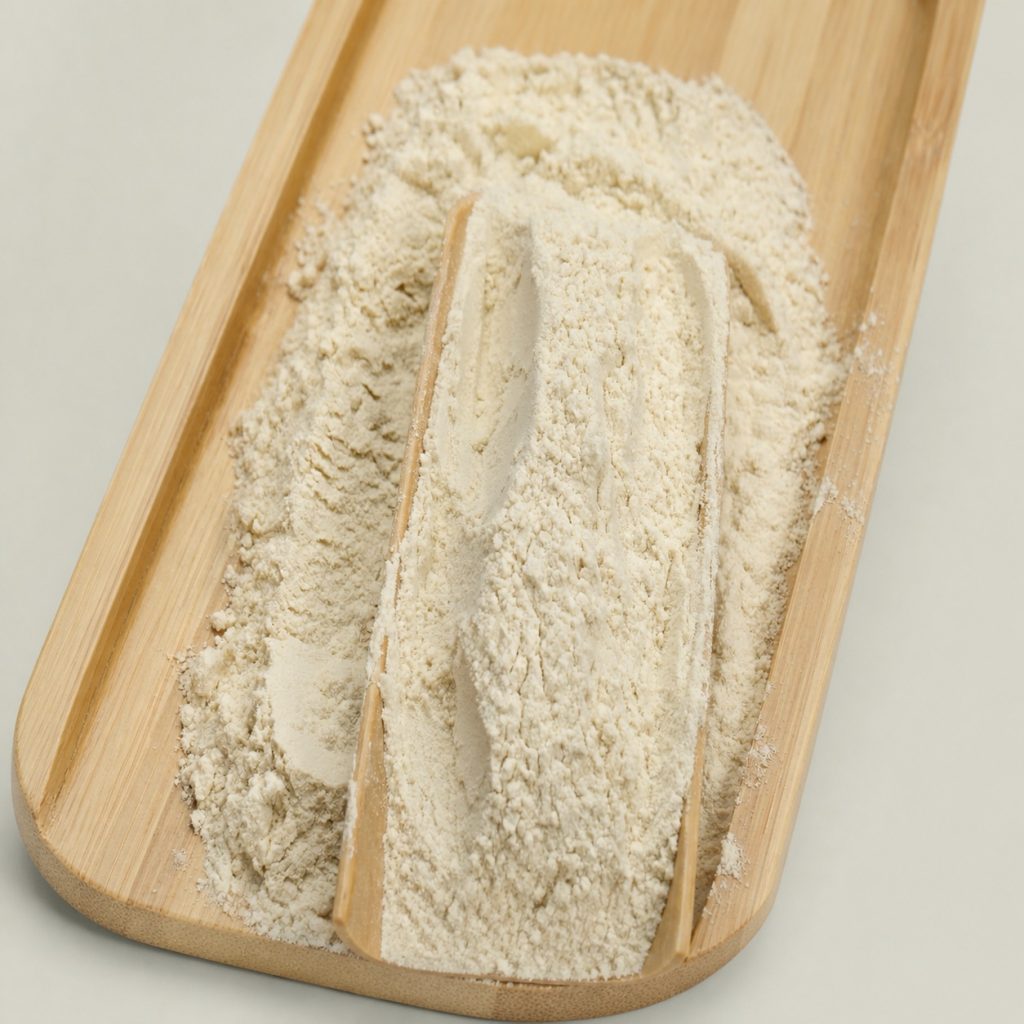
This buyer guide keeps the current product identity, document version and named lot connected in one purchasing record.
The retained sample workflow for Vital Wheat Gluten should be tied to one order, lot or sample. Document scope, observations and open questions remain separate so another buyer can reconstruct the file.
Vital Wheat Gluten records should identify the current document revision, named lot, sample code and buyer-side owner.
Define the retained sample workflow record
Start with the purchasing decision that the retained sample workflow must support for Vital Wheat Gluten. Name the quotation, order, lot or sample and keep the review within grade and form identity, sample coding, lot linkage, custody, storage record, comparison notes and final disposition. Unknown fields remain open rather than being replaced by assumptions.
Record the buyer-side owner, review date and document revision. Preserve the wording supplied for product, grade, form and package. Add a later file as a new controlled source and retain the earlier version for comparison.
Index the current evidence
Assign a separate index number to each specification, batch paper, label image, packing statement, shipping record, sample note and written response. Capture its issue date, revision, source, lot reference and reviewer so another person can reconstruct the sequence.
A reported value enters the file only when its source states the applicable basis, units and grade or lot. When one element is missing, write a precise buyer question and identify the document expected in reply.
Reconcile identity and document scope
Compare the order, specification, batch paper and label field by field. Check the exact name, grade or form, lot code, package description, dates and shipping references. Keep every difference visible until a dated response connects it to the correct record.
Read each statement within its written scope for material, process, location, issue date, revision and named lots. Do not extend one shipment record to another grade, lot or future order because the product family appears similar.
Link samples, packages and observations
If samples are involved, define package selection, sampling point, code assignment, custody handoff, storage location and retained portion. The sample code must lead back to the source lot and the corresponding receiving or shipping record.
Describe visible package and sample observations neutrally. Use a consistent comparison sheet for label marks, seal condition, appearance, handling notes and buyer-defined bench work. Keep observations separate from specification results unless a current analytical record makes the connection.
Manage open questions and close the file
Maintain an issue list with the exact mismatch, sources compared, responsible person, evidence requested and due date. Keep destination-market questions in their own section so commercial records are not confused with the receiving-market review.
Before closure, confirm that every completed row points to a dated source and every unresolved row has an owner. Ask a second reviewer to trace order, document, lot, label, sample and receipt from the index, then archive the controlled source set for this transaction.
Buyer resources
Contact Winstar Ingredients
For specifications, COA, samples or a quotation, tell us your product, application, quantity and destination.